Why YouTube Channels Get Demonetized or Deleted by “Reused Content” (2026 Update)
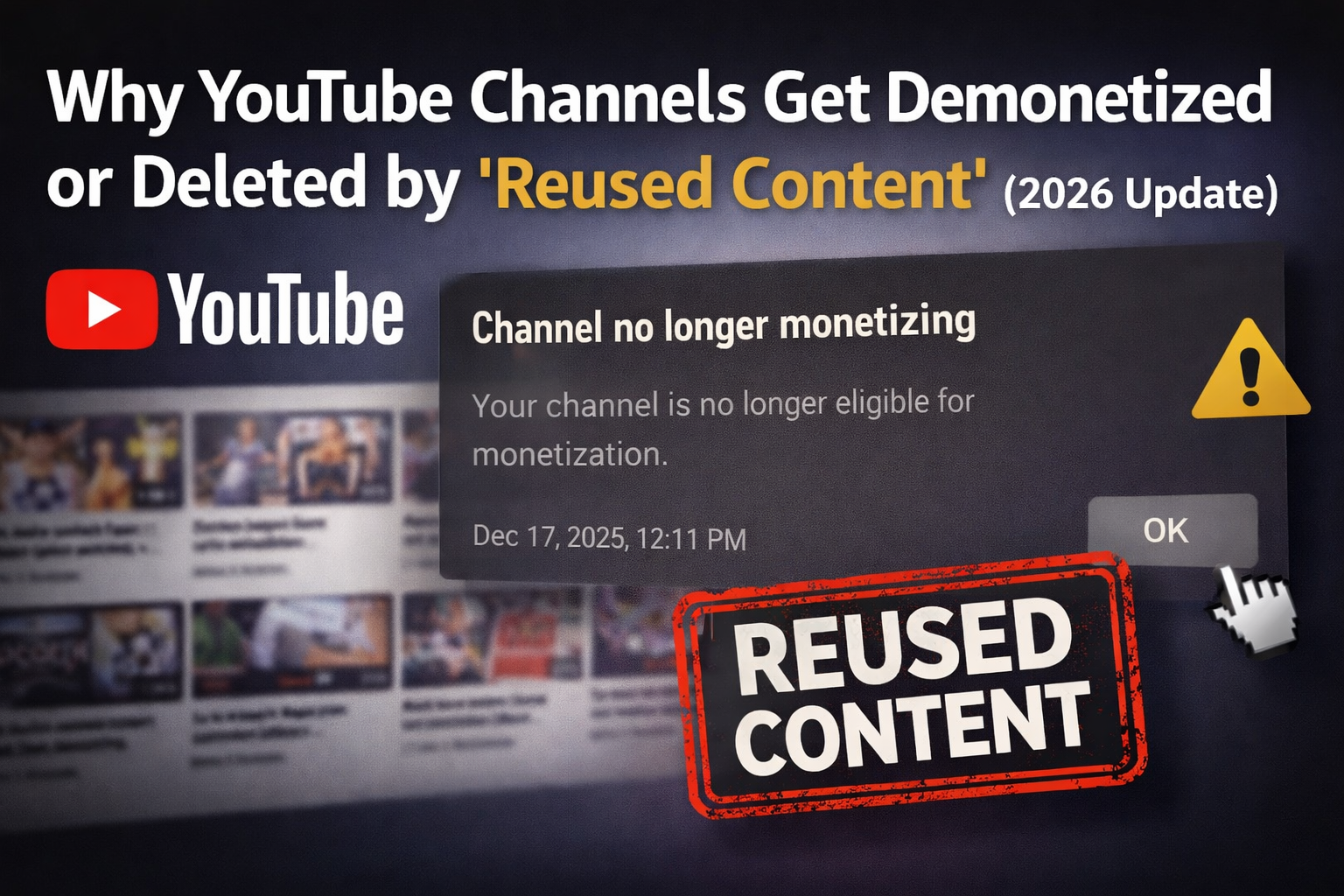
Learn the latest reasons YouTube channels get demonetized or get terminated in 2026 policies like reused content, copyright strikes, invalid traffic, AI spam, policy violations, livestream crypto and more. Includes prevention tips and FAQs.
YouTube monetization can disappear overnight. One day your channel is earning ad revenue, and the next you see “your channel is no longer eligible to monetize” or “your channel is not currently able to earn” worse, your channel gets removed for policy violations.
Note: don’t “Start Appeal” button with some simple content. Write it in details what you did (how did you create your own videos and it’s not violated YouTube policy…)
In this 2026 update, you’ll learn the most common (and newest) reasons YouTube channels get demonetized or terminated, plus practical tips to avoid them.
Quick Summary: Demonetized vs. Deleted
- Demonetized: You can still upload videos, but you lose ad revenue (and sometimes other monetization features).
- Deleted/Terminated: Your channel is removed, often after serious or repeated policy violations (e.g., multiple strikes).
Tip: Many terminations follow repeated warnings or strikes fixing issues early matters.
1. Reused Content (One of the Biggest Monetization Killers)
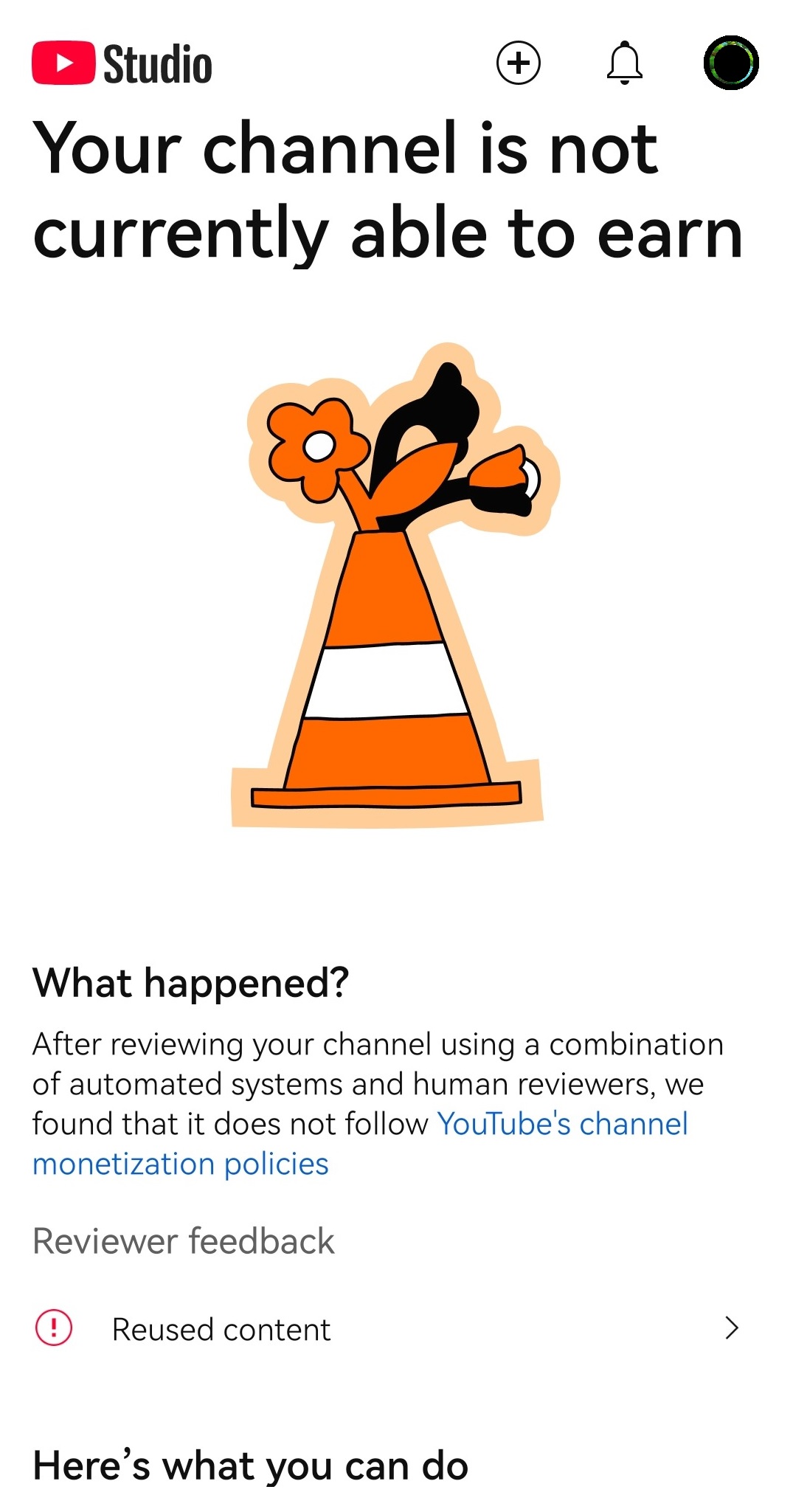
“Reused content” is one of the most frequent reasons creators get rejected from the YouTube Partner Program (YPP) or lose monetization.
What counts as reused content?
- Re-uploads from TikTok/Instagram/Facebook
- Using AI tools to regenerated old content without creativity
- Compilation videos with little to no transformation
- Movie/TV clips, sports highlights, or “top moments” with minimal commentary
- Stock footage montages with generic narration
How to avoid it
- Add your own commentary, on-camera presence, or analysis
- Edit heavily: transform structure, pacing, context, and value
- Make your videos clearly original (script, voice, visuals, insights)
Image idea + alt text:
- Image: “Reused Content” warning screenshot
- Alt text: YouTube reused content warning message in monetization section
2. Copyright Issues and Copyright Strikes
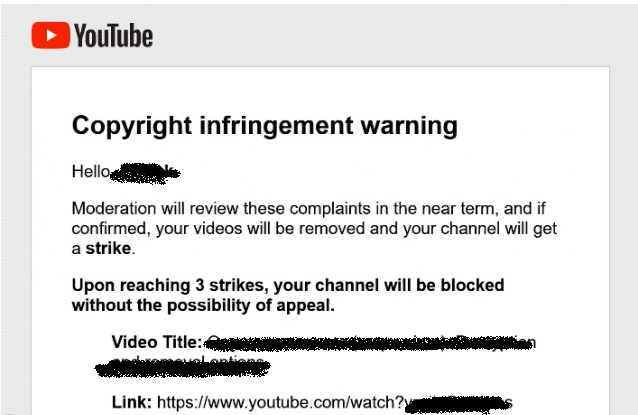
Copyright claims can reduce earnings, but copyright strikes can end a channel.
Common triggers
- Using copyrighted music without a license (you should use a mobile phone and add audio/music when uploading videos)
- Uploading full episodes, movies, anime, or sports broadcasts
- Reposting someone else’s video content
Why it’s worse in 2026
Detection tools keep improving, so even short clips or modified audio can be flagged.
How to avoid it
- Use licensed music (or YouTube Audio Library)
- Use original footage/voice
- If using clips for commentary, keep it short, contextual, and transformative
Image idea + alt text:
- Image: “Copyright strike” email or Studio notification
- Alt text: YouTube Studio copyright strike notification example
3. Community Guidelines Violations (Strikes Lead to Termination)
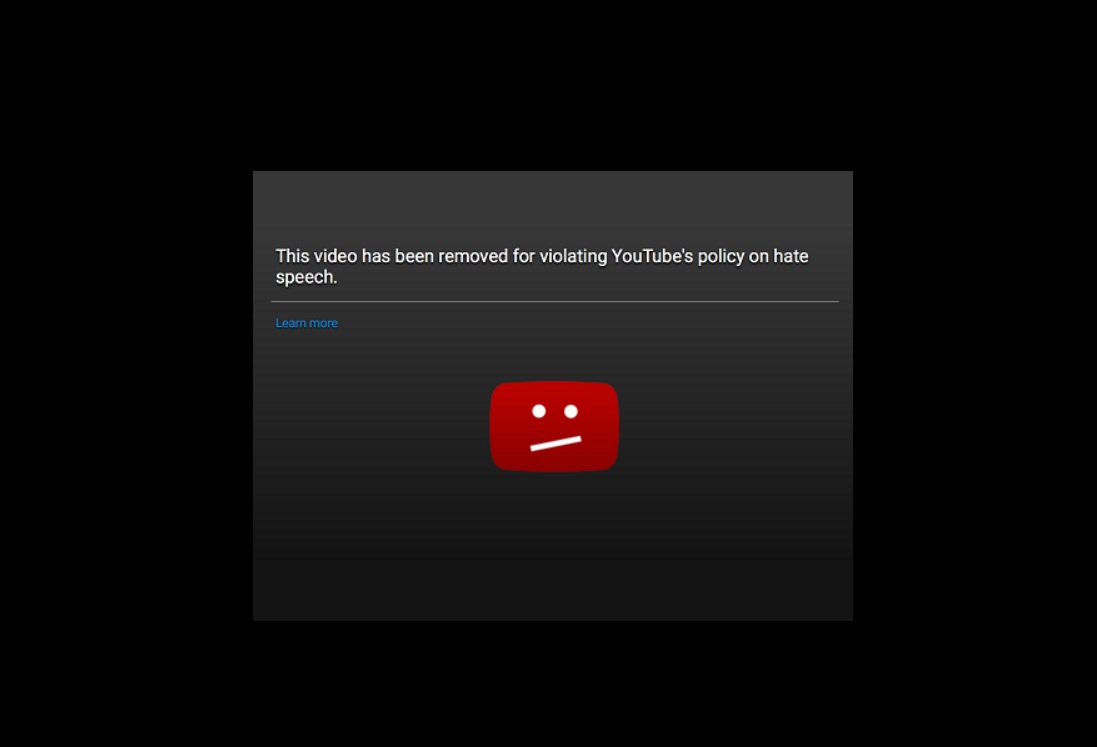
Even if you don’t use copyrighted content, Community Guidelines strikes can accumulate.
Content that often causes strikes
- Hate speech or harassment
- Graphic violence
- Sexual content or nudity
- Dangerous challenges
- Content encouraging wrongdoing
How to avoid it
- Keep content educational and non-graphic when covering sensitive topics
- Avoid targeting individuals/groups with hateful or harassing language
- Read the policy notes in YouTube Studio when a video is flagged
Image idea + alt text:
- Image: Community Guidelines strike dashboard
- Alt text: YouTube Community Guidelines strike status in YouTube Studio
4. Invalid Traffic and Fake Engagement (Fast Track to Demonetization)
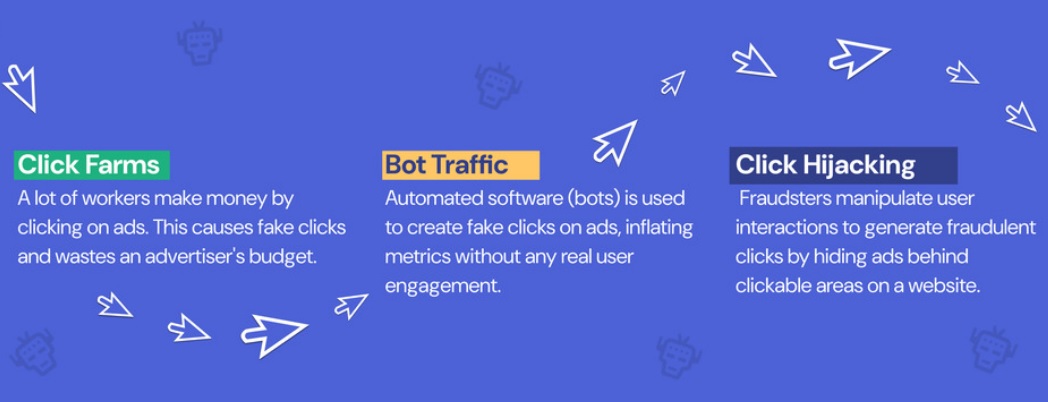
Buying views, likes, or subscribers can trigger “invalid traffic” detection, often causing monetization loss.
Examples of invalid traffic
- View bots or automated tools
- Paid “engagement packages“
- Click farms
- Misleading traffic sources that inflate ad impressions
How to avoid it
- Grow organically with search-based content and strong retention
- Avoid suspicious promotions or “guaranteed views” services
- Monitor Analytics for unusual spikes and low-quality sources
Image idea + alt text:
- Image: “Invalid traffic” warning message
- Alt text: YouTube invalid traffic warning affecting ad revenue
5. Misleading Metadata, Clickbait and Deceptive Thumbnails

Clickbait can reduce trust—and sometimes leads to enforcement if it misleads users.
Risky practices
- Titles that don’t match the video
- Fake thumbnails implying shocking events that never happen
- Misleading tags, descriptions, or keywords
Safer approach
- Use curiosity-driven titles, but keep them truthful
- Match thumbnail + title + content (same promise)
Image idea + alt text:
- Image: Side-by-side example of misleading vs accurate thumbnail
- Alt text: Misleading clickbait thumbnail compared to accurate YouTube thumbnail
6. Low-Effort “Mass-Produced” AI Content (A Newer Risk Area)
AI tools are everywhere, but channels that look spammy or mass-produced can face monetization issues.
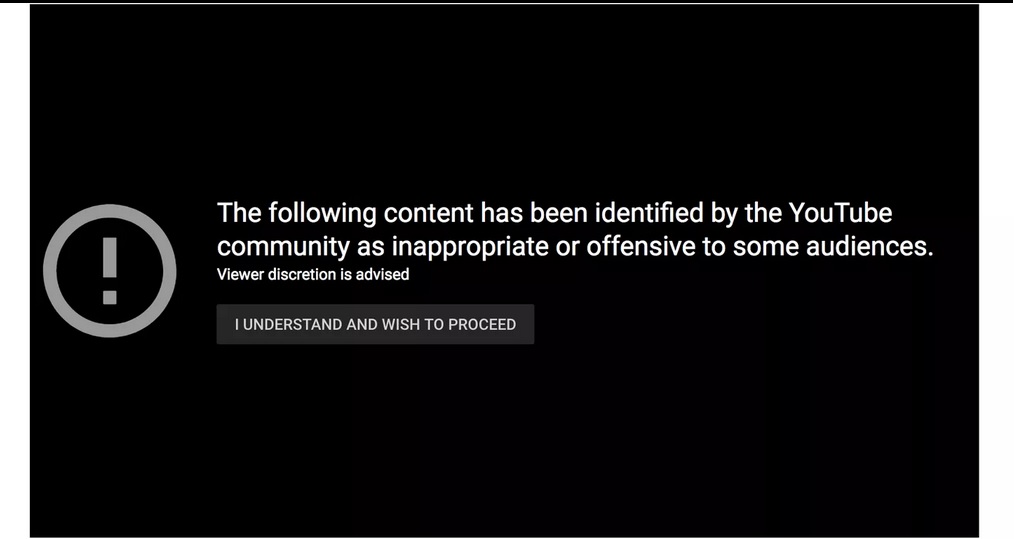
What often triggers problems
- AI voice + stock footage with no real editing
- Posting dozens of near-identical videos
- Auto-generated scripts with repetitive structure
- “Faceless automation” channels with minimal added value
How to stay safe with AI
- Use AI as an assistant, not a factory
- Add human editing, original examples, personal insight, or unique research
- Improve video storytelling and retention
Image idea + alt text:
- Image: AI-generated video workflow diagram
- Alt text: Diagram showing AI-assisted YouTube content workflow with human editing steps
7. Violating YouTube Monetization Policies (Even Without Strikes)
You can follow Community Guidelines and still lose monetization if content isn’t advertiser-friendly or violates YPP monetization rules.
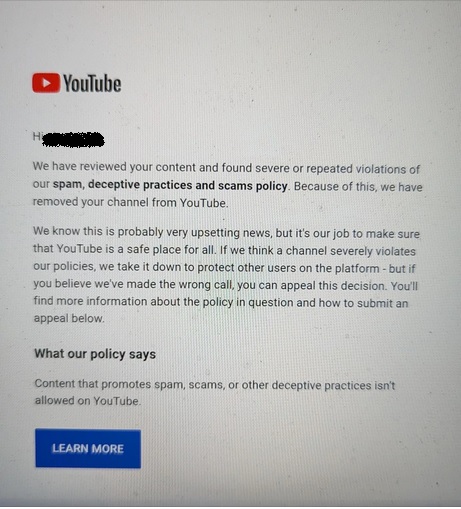
Common monetization red flags
- Extreme profanity throughout
- Controversial topics with no context
- Repetitive, non-original formats that lack value
- Content designed mainly to farm ads rather than inform/entertain
What to do
- Add context, disclaimers, and educational framing for sensitive topics
- Keep production quality and originality high
Image idea + alt text:
- Image: “Monetization disabled” banner in YouTube Studio
- Alt text: Monetization disabled notice in YouTube Studio for policy review
Best Practices Checklist (2026 Safe Growth)
✅ Create original scripts, voiceovers, and edits
✅ Avoid re-uploads/compilations without transformation
✅ Use licensed music and assets
✅ Don’t buy views or subscribers wherever that’s not real human. You can consider to buy it HERE
✅ Keep titles/thumbnails accurate
✅ Review YouTube Studio policy warnings early
✅ Build a consistent niche and audience retention
FAQ: YouTube Demonetization & Channel Deletion
Why did YouTube disable monetization on my channel?
Common reasons include reused content, invalid traffic, copyright problems, or monetization policy violations, especially if your channel lacks original value.
How many strikes before a YouTube channel is deleted?
Multiple strikes can lead to termination. Copyright strikes and Community Guidelines strikes are separate systems, and repeated violations increase risk.
Can AI-generated channels be monetized in 2026?
AI-assisted content can be monetized if it’s original, valuable, and not mass-produced spam. Low-effort automation formats are higher risk.
Conclusion
YouTube continuously updates its policies to maintain a safe and advertiser-friendly platform. To avoid demonetization or channel deletion, creators should focus on:
-
Creating original, high-value content
-
Respecting copyright laws
-
Avoiding shortcuts like fake engagement
-
Adding personal creativity, commentary, or education
In the long run, quality and authenticity are the safest ways to succeed on YouTube.